Websites & digital experiences
A website people can understand, use and keep up to date
A business website needs to explain what you offer, help visitors take the next step and give your team a manageable way to maintain the content. Structure, writing and functionality should be planned together, before the design becomes a collection of disconnected pages.
Discuss your projectA shared delivery plan
From visitor questions to a website your team can run
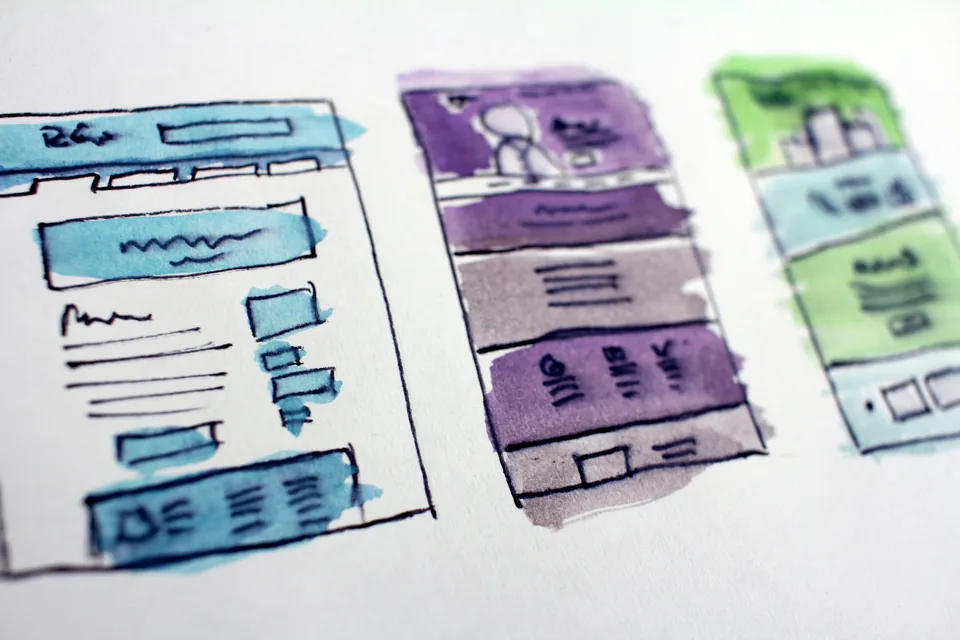
A website project combines content, design and working journeys. We propose these stages to make decisions visible before launch. The agreed scope sets page types, languages, integrations, content responsibilities and the level of ongoing care. Content and design can develop together using representative material.
We agree the stages, outputs and responsibilities in your project scope. Select a stage to explore the work and decisions.
A worked example · illustrative
Design the journey all the way to the response.
Illustrative B2B enquiry journey: every page should answer a visitor question and support a clear next action.
Arrive
Is this relevant to me?
What the site needsClear proposition, language and navigation
Evaluate
Can this solve my problem?
What the site needsService detail, process and supported evidence
Enquire
What should I share?
What the site needsA short, accessible contact journey
Understand the next step
Was my action completed?
What the site needsAn accurate status and a working response route
From scope to operation
The work at each stage
Open each stage to see the work, your role, the deliverables and the check before moving forward. Feedback can return a decision to an earlier stage.
Define the visitor journeys
Identify who the website serves and what each visitor needs to do.
What Lava does
Review audiences, existing pages and enquiry paths; identify useful content, current URLs and practical publishing needs.
Your team provides or approves
Explain priority services, common customer questions and who will approve content and receive enquiries.
Stage outputs
- Audience and journey brief
- Existing-content and URL inventory
Ready to move forward when…
The team agrees the main visitor tasks and what a useful next step looks like.
Review loop Revisit the brief when a new audience or business objective changes the page priorities.
Organise and approve the content
Give every page a purpose and the information needed to fulfil it.
What Lava does
Develop the sitemap and page outlines; coordinate the agreed writing, language routes and content dependencies.
Your team provides or approves
Supply accurate service details, authorised project material and approved English and Arabic wording where included.
Stage outputs
- Sitemap and page content plan
- Reviewed content and asset register
Ready to move forward when…
Key pages have approved information, a clear owner and a sensible route to the next action.
Review loop Return to the sitemap when content overlaps, lacks evidence or needs a different page structure.
Review the visual experience
Check the design with realistic content and representative screen sizes.
What Lava does
Prepare layouts and reusable components, considering navigation, legibility, interaction states and right-to-left presentation where required.
Your team provides or approves
Review representative pages, resolve brand decisions and consolidate feedback across stakeholders.
Stage outputs
- Approved page and component designs
- Recorded responsive and language decisions
Ready to move forward when…
The agreed layouts support the intended journey without relying on missing content or unexplained interactions.
Review loop Revisit content or navigation when the design reveals an unclear message or difficult task.
Build the pages and connections
Turn the approved designs into editable pages and functional visitor journeys.
What Lava does
Implement agreed layouts, content fields, forms and integrations; configure the relevant publishing and technical search settings.
Your team provides or approves
Provide authorised domain and service access, confirm enquiry destinations and review the editing workflow.
Stage outputs
- Working website in a review environment
- Publishing, form and integration configuration
Ready to move forward when…
Representative pages and agreed interactions work with actual approved content.
Review loop Return to scope when an integration restriction or editing requirement changes the proposed implementation.
Check the complete experience
Test access, language and enquiry journeys before approving launch.
What Lava does
Check representative devices, keyboard navigation, agreed accessibility criteria, links, forms and bilingual layouts; verify redirects where required.
Your team provides or approves
Review both language versions, confirm content accuracy and verify the agreed enquiry route with its owner.
Stage outputs
- Acceptance checklist and issue decisions
- URL redirect and launch checklist
Ready to move forward when…
Required checks pass, enquiry handling is demonstrated and remaining limitations are explicitly accepted.
Review loop Return to the affected content, design or build when a check fails.
Launch and hand over publishing
Release the agreed website and confirm that your team can operate it.
What Lava does
Follow the launch plan, verify priority live journeys and deliver agreed editor guidance and access documentation.
Your team provides or approves
Approve the release and nominate owners for publishing, domain renewals, enquiries and maintenance.
Stage outputs
- Launch verification record
- Editor and operational handover
Ready to move forward when…
Live checks pass and the nominated editor can complete a representative update.
Review loop Use the agreed recovery plan for critical launch issues before resuming the release.
Give every important page a clear purpose
We start with the audiences you need to reach and the decisions they must make. A service page, a project story and an enquiry form have different jobs. The sitemap and page content should make those jobs clear, with useful links between them and a sensible next step.
This work suits a new business website, a redesign of an outdated site or a bilingual experience that needs consistent English and Arabic journeys. For an existing site, the first review also considers current URLs, useful content, enquiry handling and who will be responsible for updates after launch.
What the website scope can include
The proposal specifies page types, languages, integrations and content responsibilities. Agreed deliverables can include:
- A sitemap, page outlines and content requirements based on visitor needs and the services you want to explain.
- Responsive layouts and a reusable visual system, using approved brand assets and realistic content lengths.
- English and Arabic page structures, with right-to-left layouts and checks for mixed text, numbers and interface controls.
- A content management setup appropriate to your publishing needs, plus agreed forms and connections to business tools.
- Technical search foundations, a release checklist and editor guidance for the pages and features included in the project.
Choose a website your team can operate
| Decision | What it changes |
|---|---|
| Content management or a simpler build | Frequent publishing needs a workable editing process. A smaller site may need less infrastructure, but still needs a clear update owner. |
| One language or two | Bilingual work includes content approval, navigation and layout testing. Translation and ongoing language updates need explicit responsibility. |
| Redesign or migration | Changing URLs requires an inventory and redirect plan. Moving a site also needs checks of forms, tracking, assets and operational access. |
Check the complete visitor journey
Your team provides approved business information, service details, brand files and permission to use photographs or project material. We also need the relevant domain and hosting access, and a clear destination for enquiries. Content approval is a project dependency, so it should have an owner and a review process.
Testing covers representative screen sizes, keyboard use, navigation, readable content and the agreed accessibility target. A form should be checked from submission through to its intended destination, including helpful errors and a clear success state. Launch and handover cover publishing access, domain and service ownership, redirects where needed and the agreed maintenance arrangements.
Questions before starting
Can the website work properly in Arabic and English?
Yes, both languages can be planned as complete experiences. The scope should identify who writes and approves each version, how language routes relate, and how menus, forms and mixed-direction content will be checked.
Will our team be able to update the website?
The editing approach is selected around your actual publishing tasks. The proposal can include appropriate content fields, access roles and training; ongoing publishing or maintenance is a separate scope decision.
Will a redesign improve our Google rankings?
A useful, crawlable website supports search visibility, but rankings are not guaranteed. If URLs or content change, plan the migration carefully and monitor the result. Ongoing SEO requires its own priorities and measurement.
Handover & ongoing care
After launch: keep content and function aligned
Ongoing publishing, maintenance and SEO are included only where agreed. Changes should preserve working journeys and consistency across languages, rather than leaving one version outdated.
- Assign owners to review service information, links and enquiry destinations.
- Check relevant templates, forms and language pages after significant updates.
Sources & further reading
A useful next step
Bring one real workflow.
A sample document, the systems you use and the decision you need to make are enough to start a focused conversation.
Talk to Lava ↗